
How to Set Up Your Music Teaching Space with Magnetic Music Notes: Tools, Boards, and Creative Uses
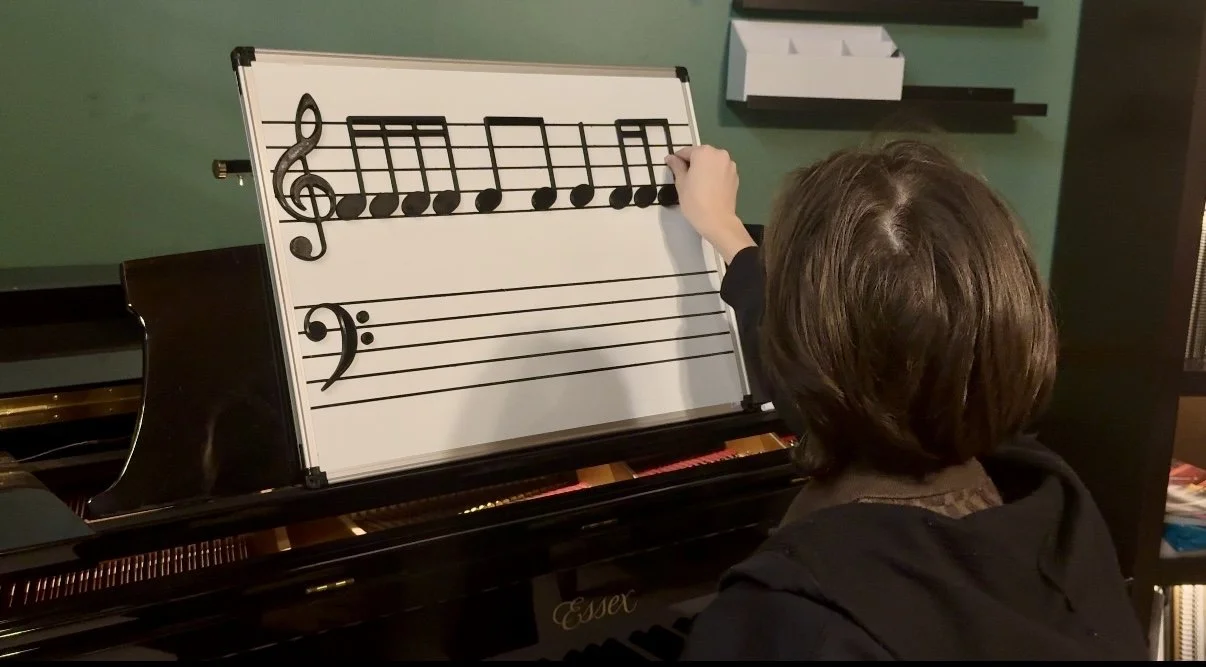
Creating a well-organized, visually clear teaching space makes an enormous difference in how quickly students understand notation, rhythm, and theory. Whether you teach piano lessons, general music, group classes, or higher level music theory, having the right setup helps students see patterns instantly and gives you a flexible tool for demonstrations.
This guide walks through how to set up your studio or classroom using magnetic music notes and a magnetic staff board, along with creative ways teachers use these tools to strengthen reading skills.
Why Your Teaching Setup Matters
Students understand notation faster when:
the board is clear and visible
pieces are durable
note shapes are accurate to notation
symbols stay aligned
you can build patterns instantly
A strong visual setup supports everything from early staff awareness to advanced sound notation, and it works across ages — from young beginners to adult learners.
Choosing the Right Magnetic Staff Board
A staff board is the centerpiece of your teaching space. The right board makes magnetic notes easy to place, read, and rearrange.
Look for:
1-inch staff spacing for accurate intervals
a surface large enough for group visibility
strong magnetic grip
clear, high-contrast staff lines
Many teachers prefer a dedicated magnetic staff whiteboard, since it allows quick demonstrations without erasing entire examples. The other side of the board should be blank for versatile classroom use.
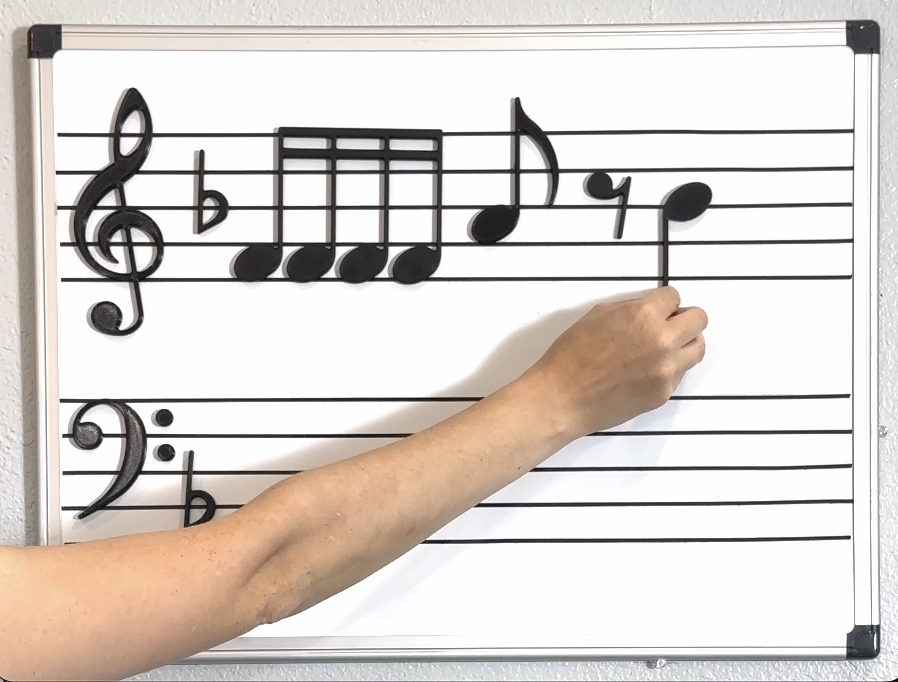
Selecting Magnetic Music Notes and Note Shapes
Not all music note magnets are created equal. Accuracy and clarity matter more than decoration.
Choose note shapes that:
match professional engraving
align perfectly with the staff
include rhythm values, rests, accidentals, and clefs
have flush magnetic backing
stay in place when the board is vertical
Having a complete symbol library allows you to demonstrate:
intervals
rhythm patterns
scale construction
chords and harmonic spacing
simple and advanced sound notation
This flexibility is why many teachers prefer Sound Shapes, which include a wide range of pieces designed specifically for piano and music-theory instruction.
Organizing Your Teaching Space for Clarity
A clean setup makes teaching more efficient. Consider:
1. Sorting by Concept
Store magnetic pieces by category:
notes
rests
intervals
chords
accidentals
clefs
This makes it fast to switch teaching tasks mid-lesson.
2. Using open trays or cups
Teachers often keep note shapes in shallow trays or tins so the pieces stay visible and easy to grab.
3. Keeping your board at student height
Younger students benefit when they can reach the board and place magnets themselves.
This tactile involvement improves retention and reduces confusion.
Creative Ways Teachers Use Magnetic Notes in Their Studio Setup
Beyond basic note placement, teachers incorporate magnets into their setup in clever ways:
1. Daily Warm-Up Station
Keep a corner of your staff board dedicated to a simple pattern:
interval of the day
rhythm of the week
chord of the day
Students build or solve the example as soon as they arrive.
2. Studio Challenge Wall
Use magnetic pieces to post weekly reading challenges or theory puzzles.
3. Composition Corner
Keep a blank staff available where students can build short melodic ideas using note shapes.
4. Group-Class Rotation
Each station uses part of the board for different skills:
rhythm building
interval identification
staff direction
melodic dictation
5. Parent-Friendly Demonstration Space
A visible staff board helps parents understand what students are learning, especially during beginner years.
Using Magnetic Notes with Technology
Magnetic notes pair beautifully with digital tools.
Try:
building a rhythm with magnets, then recording it with a metronome app
placing an interval pattern and having students play it on the digital keyboard
using magnets to demonstrate corrections for online students (visible on camera)
The combination supports both tactile exploration and tech-assisted reinforcement.
Ideas for Classroom Teachers
Music classrooms benefit from larger boards and visually bold magnets. Teachers use them for:
whole-class rhythm drills
notation games
sightreading warm-ups
call-and-response composition
staff poster comparison (treble, bass, and combined-grand staff)
Because magnetic notes are durable, they work well for high-traffic classroom environments.
To see practical ways magnetic music notes strengthen reading and rhythm, explore Magnetic music note activities for piano teachers.
How to Build a Flexible, Inspiring Teaching Space
A great teaching setup grows with your students. Using music note magnets, a magnetic staff board, and clear note shapes gives you a visual language that supports:
reading
writing
rhythm
aural skills
theory
composition
The right tools make instruction faster, lessons smoother, and students more confident.
If you want teaching tools that look professional, last for years, and support every aspect of sound notation, explore the full collection of Sound Shapes.